
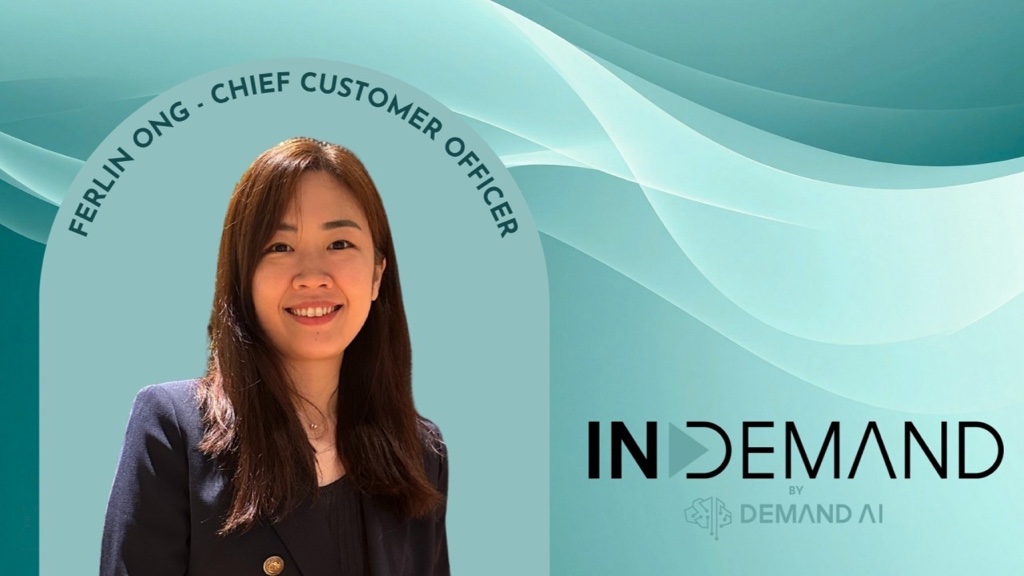
Ferlin Ong, Chief Customer Officer, Demand AI
One of the most persistent challenges in B2B marketing is the relationship between marketing and sales. Both teams are working towards the same commercial objective, yet too often they operate with very different definitions of success.
Marketing celebrates leads generated, campaign engagement and conversion rates. Sales looks at the contacts arriving in its pipeline and asks a rather different question: why should I speak to this person?
It’s a familiar tension. Marketing believes it has delivered what the business asked for. Sales believes it has been given a list of names and a lot of work to do.
Having worked closely with both commercial teams and customers, I think this disconnect points to a more fundamental problem. The traditional marketing-to-sales handover strips away much of the context that makes a lead valuable in the first place.
The missing conversation
Consider what typically arrives in a sales representative’s inbox: a name, company, job title, lead score and perhaps a record of a white paper download or webinar registration.
It’s information, certainly. But does it explain what the individual is trying to achieve? What challenges are they facing? What questions do they need answered before considering a purchase?
Often, the salesperson has to start from scratch. They must establish the buyer’s priorities, discover their concerns and work out whether there is a genuine opportunity.
In effect, marketing has captured a response, but sales still has to discover the demand.
This isn’t necessarily a failure of either team. It’s a limitation of the model. When marketing measures engagement primarily through clicks, downloads and registrations, it can be difficult to pass meaningful insight to the people responsible for converting that engagement into revenue.
Changing what gets handed over
AI-native marketing creates an opportunity to rethink this relationship.
At Demand AI, we’re developing a different approach through Amplifye.ai and our Insyte content experiences. Rather than treating content as something buyers simply consume before completing a form, Insyte uses conversational AI to let people ask questions while engaging with an asset.
That creates a much richer picture of the interaction.
Marketing can understand not just that someone engaged with a particular topic, but what they wanted to know, which content they explored and what concerns emerged during the experience.
Imagine the difference between telling sales that a prospect downloaded a report about automation and telling them that the prospect specifically asked about implementation costs, integration challenges and expected return on investment.
Those are two very different starting points for a conversation.
The salesperson no longer needs to guess what might interest the buyer. They have a much clearer indication of where to begin.
Alignment starts with understanding
This has implications beyond the initial handover. When marketing can learn from the questions buyers ask, it can improve the content it creates, the audiences it targets and the experiences it delivers. Sales can use those insights to make its conversations more relevant. Customer success can gain a better understanding of the expectations and challenges customers bring into a relationship.
The result should be a more connected commercial process, with each team contributing to a deeper understanding of the customer.
Of course, AI doesn’t replace the experience, judgement and relationship-building skills of good salespeople. Nor does every question indicate an immediate buying opportunity. People still need to interpret the signals and decide what action makes sense.
But technology can make sure that valuable context isn’t lost between teams.
Ultimately, sales and marketing alignment isn’t achieved by agreeing on definitions of an MQL or changing the wording of a service-level agreement. It comes from sharing a better understanding of the people both teams are trying to reach.
The lead handover is broken when sales has to start the discovery process all over again.
At Demand AI, we believe engagement should do more than generate a contact. It should help businesses understand the person behind it — and give sales a much better reason to pick up the phone.
That’s how marketing becomes a more valuable contributor to revenue, and how we start turning lead generation into genuine demand generation.